
Revise Polity Crown Rule Ep2 : Indian Councils Act 1861
3 min read
Nov 25, 2025
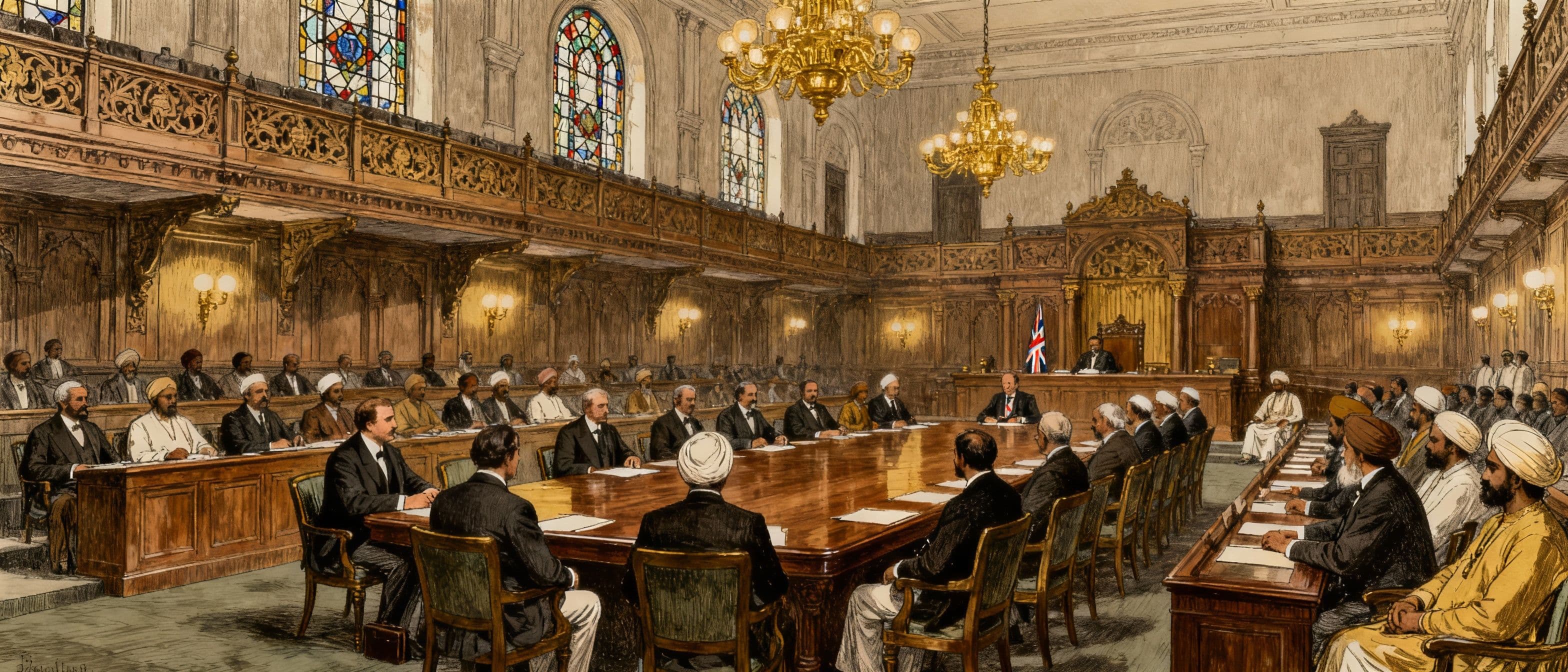
Indian Councils Act 1861
THREAD: The Indian Councils Act 1861 — How Britain experimented with controlled Indian participation after realizing they couldn't govern alone.
The Act introduced the first Indian members to legislative councils. Not empowerment, but calculated co-optation—just enough to prevent revolt, never enough to threaten control.
Here's what changed and why it mattered:
The Need for Change
Why 1861?
The 1857 Revolt taught Britain a harsh lesson: Ruling without ANY Indian participation was unsustainable.
Indian elites needed to be brought inside the system—not to share power, but to legitimize British rule. The strategy: cautious liberalization. Give Indians a voice, but never a vote.
Key Provision - First Indian Nomination
WHAT: Indians could now be nominated (NOT elected) to the Viceroy's Legislative Council as non-official members.
WHY: Create a class of Indians who felt included in the system. They could discuss legislation but not decide anything. Advisory participation kept elites satisfied without threatening British supremacy—association without power.
Key Provision - Reversal of Centralization
WHAT: Restored legislative powers to Bombay and Madras Presidencies (taken away in 1833). Created new councils for Bengal, North-Western Provinces, and Punjab.
WHY: India was too vast to govern entirely from Calcutta. Local problems needed local solutions. Decentralization improved efficiency without diluting ultimate Crown control.
Key Provision - Administrative Innovations
WHAT: Formalized the Portfolio System (different council members handling different departments). Empowered Viceroy to issue ordinances during emergencies.
WHY: Portfolio system created modern cabinet-style administration—more efficient governance. Emergency ordinances gave the Viceroy sweeping powers during crises—a tool for quick suppression of dissent when needed.
The Real Significance
What the Act accomplished:
- Established principle of Indian "association" in legislation
- Recognized India's diversity through decentralization
- Created Indian experience in legislative procedures
What it DIDN'T do:
- No elections, only nominations
- No decision-making power for Indians
- No accountability to Indian people
The strategy: minimal concessions to prevent revolution, maximum control retained.
What's Next in Revise Polity
Next week: How nomination evolved into limited elections (Indian Councils Act 1892).
Follow for the complete series on India's constitutional evolution.