The Biggest IB Myth Students Still Believe
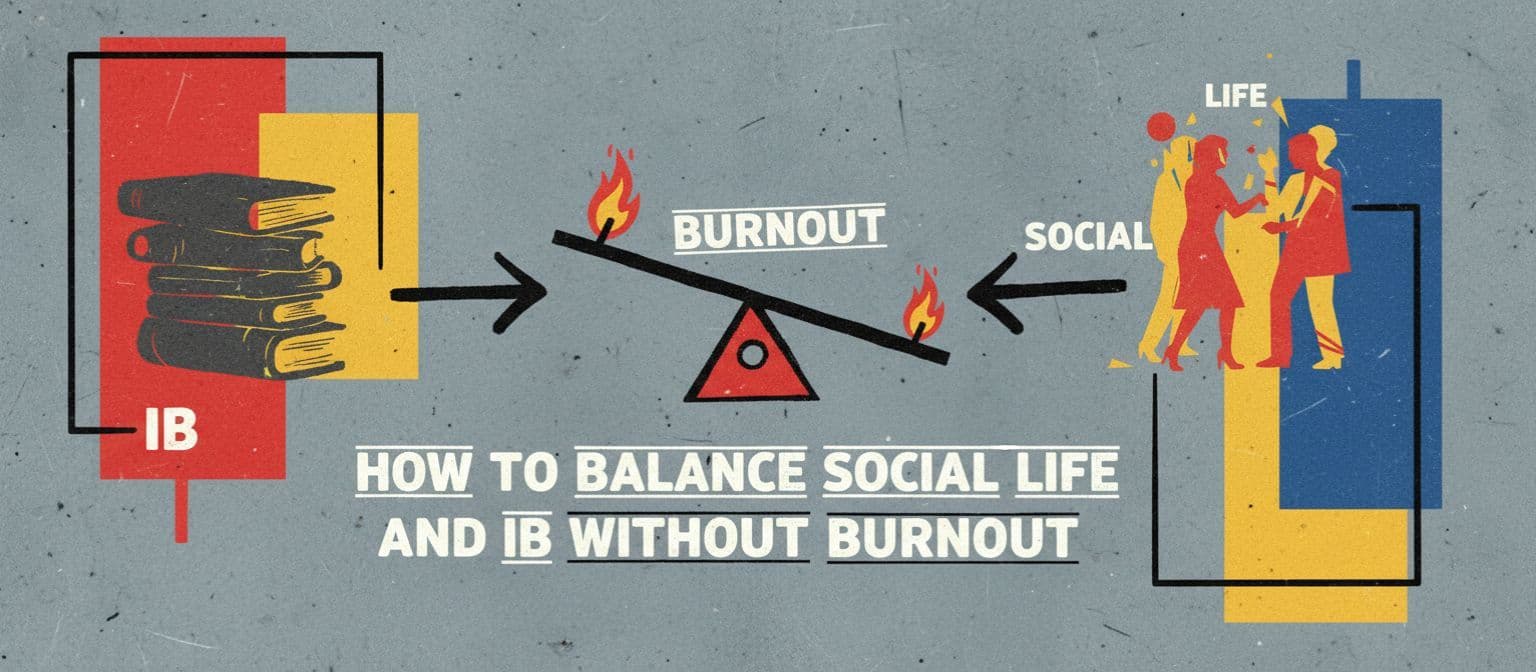
One of the most common beliefs surrounding the International Baccalaureate is that students must sacrifice their social life to succeed academically. Somewhere between Internal Assessments, TOK deadlines, Extended Essays, and exam preparation, many students begin to think that isolation is simply part of the IB experience.
It is not.
The truth is far more nuanced. The students who perform well in the IB are not always the ones studying the longest hours. In many cases, they are the students who manage their energy, relationships, and routines more effectively.
Having a social life during the IB is possible. More importantly, it is healthy. The challenge is not choosing between academics and friendships. The challenge is learning how to create balance in a system that constantly feels demanding.
This blog explores how students can maintain meaningful friendships, protect their mental health, and still perform strongly in the IB without feeling consumed by academic pressure.
Why IB Students Feel Guilty About Taking Breaks
IB culture often glorifies exhaustion.
Students compare study hours, joke about sleep deprivation, and normalize stress as if burnout is proof of dedication. Over time, this creates a dangerous mindset where rest begins to feel unproductive.
Many students experience guilt when:
- Going out with friends
- Watching a movie
- Taking a weekend off
- Spending time away from studies
- Saying no to extra academic work
The problem is that the human brain is not designed to function under constant pressure without recovery. Productivity eventually declines when rest disappears.
A social life is not a distraction from academic performance. In many cases, it supports it.
Healthy friendships provide:
- Emotional stability
- Stress relief
- Perspective during difficult periods
- Motivation during burnout phases
- A sense of identity outside academics
Students who completely disconnect socially often struggle with emotional fatigue later in the program.
The IB Is a Marathon, Not a Two Week Sprint
One reason students burn out socially is because they treat every week like exam season.
The IB lasts for two years. Sustaining high performance for that long requires rhythm, not panic.
Think about elite athletes. They do not train at maximum intensity every hour of every day. Their schedules include recovery, structure, and balance because long term consistency matters more than short bursts of overwork.
The same principle applies to IB students.
Trying to study every waking hour may work temporarily, but eventually concentration weakens, motivation drops, and emotional exhaustion builds quietly in the background.
Students who maintain social balance often survive the IB with:
- Better mental health
- Stronger consistency
- Less emotional isolation
- Improved focus during study sessions
Balance is not laziness. It is sustainability.
The Difference Between Healthy Socializing and Escapism
Not every social activity is helpful.
There is a major difference between intentional social balance and constant avoidance of responsibilities.
Healthy socializing usually:
- Helps you recharge
- Improves mood
- Strengthens relationships
- Gives your mind space to reset
Escapism usually:
- Delays unfinished work
- Creates anxiety afterward
- Becomes a form of procrastination
- Damages time management
The key is awareness.
Students who balance the IB successfully understand when they are taking a meaningful break and when they are simply running away from stress.
That distinction matters more than most people realize.
Why Isolation Often Makes IB Harder
Many students isolate themselves believing it will improve focus. Initially, it may seem productive. Fewer distractions can create short term gains.
But long periods of isolation often create hidden problems:
- Increased anxiety
- Loss of motivation
- Emotional numbness
- Overthinking
- Academic tunnel vision
When life becomes only grades, every academic setback feels catastrophic.
A bad test score suddenly feels personal. A missed deadline feels like failure instead of a temporary mistake.
Maintaining friendships creates emotional perspective. It reminds students that their identity is larger than academic performance.
This perspective becomes extremely important during difficult periods of the IB journey.
What Socially Balanced IB Students Do Differently
Students who maintain both strong grades and healthy social lives usually follow patterns that are surprisingly practical.
They Schedule Their Social Life
Many students wait for "free time" to appear naturally. In the IB, that rarely happens.
Balanced students intentionally create time for:
- Meeting friends
- Family dinners
- Sports
- Hobbies
- Short outings
Even small moments matter.
A two hour break with friends can reset mental energy more effectively than an entire day spent scrolling through social media.
They Protect Their Productive Hours
Successful students do not necessarily study all day. Instead, they identify their highest focus hours and use them efficiently.
For example:
- Some students work best early morning
- Others focus better late at night
- Some prefer structured afternoon sessions
Once those productive windows are protected, social activities become easier to manage without guilt.
They Learn to Say No Selectively
Balance does not mean attending every event or constantly being available.
Sometimes students need to decline plans before exams or deadlines. The difference is that balanced students do this strategically instead of permanently disappearing from their social circles.
They communicate honestly rather than isolating themselves completely.
The Hidden Problem With Constant Productivity
Modern student culture often treats productivity like a competition.
Students feel pressure to:
- Always study
- Always optimize
- Always improve
- Always stay busy
But constant productivity can become emotionally unhealthy.
The brain needs moments of recovery to process information effectively. Some of the best ideas and strongest understanding often emerge after stepping away temporarily.
This is why students sometimes solve problems faster after taking a walk, meeting friends, or relaxing for a few hours.
Mental recovery is part of learning.
Not separate from it.
Social Media Is Not the Same as a Social Life
Many IB students confuse digital interaction with real connection.
Spending hours online may feel socially active, but passive scrolling rarely provides the emotional benefits of genuine human interaction.
In fact, excessive social media use during the IB often increases:
- Comparison anxiety
- Academic insecurity
- Fear of falling behind
- Stress about productivity
Students constantly see others posting:
- Study setups
- Perfect notes
- High grades
- Productivity routines
This creates the illusion that everyone else is managing perfectly.
They are not.
Most students struggle privately in ways that never appear online.
Real social connection usually looks much simpler:
- Talking honestly with friends
- Sharing frustrations
- Laughing without discussing grades
- Spending time away from academic pressure
Those moments matter far more than curated online productivity culture.
How to Create a Realistic Weekly Balance
Students often fail at balance because they aim for perfection instead of realism.
A realistic IB week might include:
- Focused study blocks
- One or two social outings
- Exercise or movement
- Sleep consistency
- Time away from screens
- Small recovery periods
The goal is not perfect balance every day.
Some weeks will naturally become more academic during exams or IA deadlines. Other weeks can feel lighter socially.
Balance is not about equal hours.
It is about avoiding extremes.
What Parents and Teachers Often Miss
Adults sometimes unintentionally reinforce the belief that academic sacrifice is necessary for success.
Students hear phrases like:
- "These two years define your future"
- "You can relax later"
- "Just focus on grades for now"
While usually well intentioned, these messages can create intense pressure.
The reality is that students are not machines designed only for output. Emotional health directly affects learning quality, concentration, and resilience.
A student who is mentally exhausted cannot perform at their highest level consistently.
Academic achievement and emotional wellbeing are deeply connected.
The Students Who Thrive in IB Understand One Thing
The most successful IB students are rarely the ones living in permanent stress mode.
They understand something important:
Consistency beats intensity.
A student studying effectively for focused hours while maintaining emotional stability will often outperform someone trapped in constant burnout cycles.
Social balance helps create:
- Better emotional regulation
- Improved focus
- Longer attention spans
- Stronger motivation
- Greater resilience during setbacks
These advantages compound over two years.
Final Thoughts
The IB is challenging. There is no reason to pretend otherwise.
But students should not feel forced to abandon friendships, hobbies, and personal happiness in order to succeed academically.
A healthy social life does not weaken academic performance. In many cases, it protects it.
The goal during the IB should not be survival through exhaustion. It should be sustainable growth through discipline, balance, and self awareness.
Students who learn this early often leave the IB not only with strong grades, but also with stronger mental resilience and healthier relationships.
And in the long run, those outcomes matter just as much as the final score.